
When markets tighten and uncertainty takes hold, it’s easy for business leaders and marketers to slip into reactive decision-making. But what if the key to thriving isn’t about outspending your competition, but outthinking them?
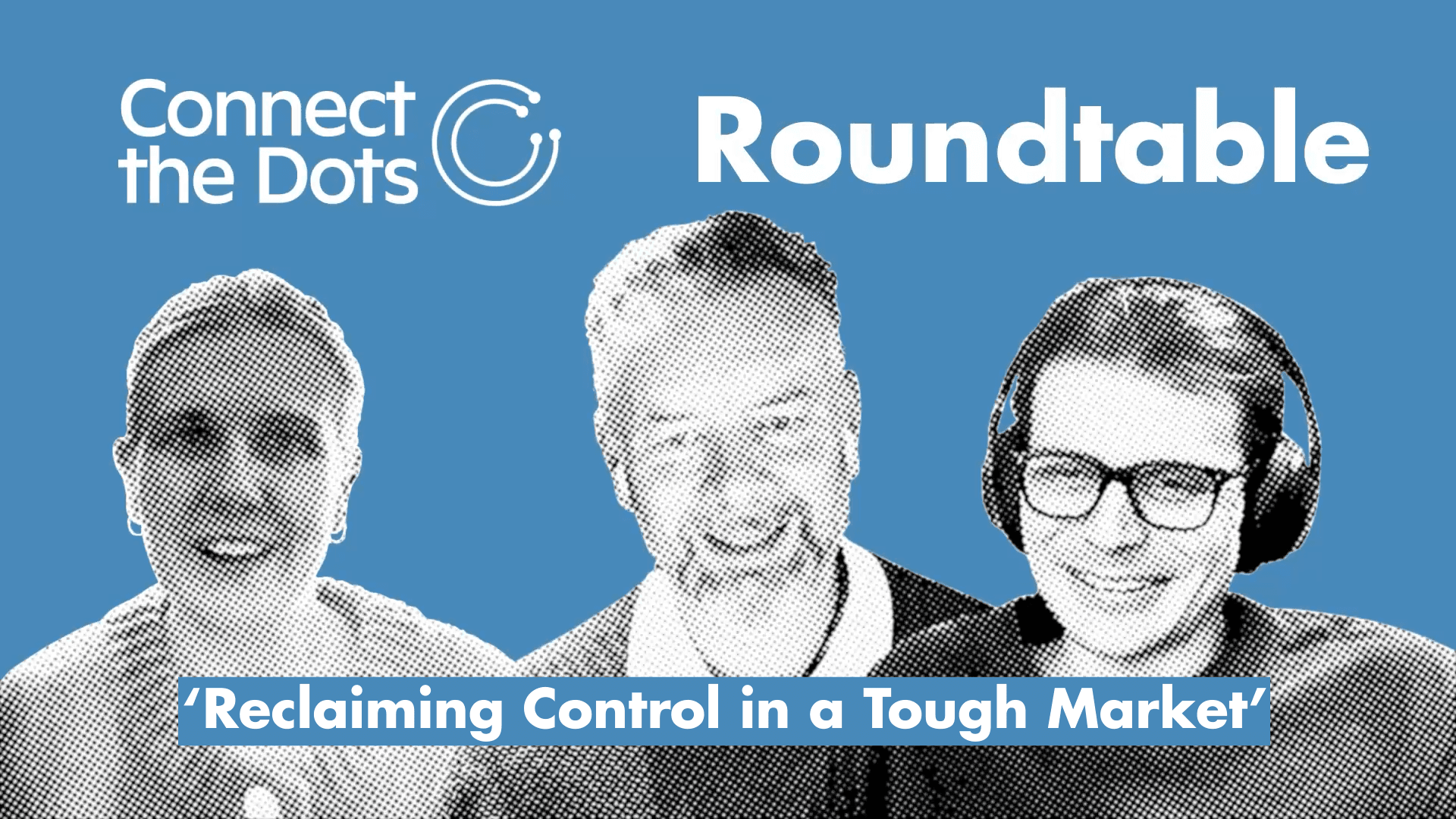
In the first episode of the CTD Roundtable, we bring together insights from Glenn Marvin, Kate Kennedy, and Marty Jenkins-Lyttle on regaining control of your business strategy in challenging times.
Whether you’re a business owner navigating economic headwinds, a marketing leader striving for greater ROI, or an agency professional aiming to deliver more meaningful client outcomes, these lessons will help you reset your focus and unlock new opportunities.
🕒 Approximate reading time: 6 minutes
Table of Contents
- What mindset should business owners adopt during a market downturn? (00:00)
- Why is channel-centric marketing a risk in tough economic times? (04:25)
- How can owned media drive profitability in a tough market? (09:50)
- What’s a better alternative to increasing ad spend for growth? (16:15)
- How can business owners avoid falling into the ‘agency trap’? (22:40)
- How should businesses use customer data to improve paid advertising? (29:30)
- Why is focusing on long-term metrics more effective than short-term attribution? (36:45)
- Who is responsible for marketing success—business owners or agencies? (42:00)
- How often should businesses optimise their marketing systems? (48:10)
- What is the best way to measure marketing ROI in a tough market? (52:20)
Watch the full roundtable discussion on YouTube for deeper insights into aligning brand strategy and execution.
What mindset should business owners adopt during a market downturn?
In times of economic uncertainty, panic can feel like the natural response. Glenn challenges this instinct with a powerful reframing: stop focusing on what’s being lost in the market and start identifying how much of it is still available to you.
Think less about a shrinking pie and more about how to increase your slice of it. This mindset shift allows leaders to focus on controllable factors—positioning their business to emerge stronger as conditions improve.
Why is channel-centric marketing a risk in tough economic times?
Kate highlights a common pitfall for marketers: treating channels like individual silos. In difficult markets, many businesses double down on platforms showing the highest immediate return—often at the expense of their broader marketing ecosystem.
The danger here is twofold: you risk over-reliance on a single platform, and you miss how channels interact to drive customer journeys. A more holistic view ensures every element of your marketing strategy contributes to overall business performance, not just vanity metrics.
How can owned media drive profitability in a tough market?
When budgets tighten, paid media often gets all the scrutiny—but what about assets you already own? Marty underscores the importance of owned media channels like your website, email list, and SMS programmes.
These platforms offer long-term, compounding value. By improving site performance, capturing more customer data, and deploying automated workflows, you can nurture relationships without constantly feeding the paid media machine.
What’s a better alternative to increasing ad spend for growth?
Throwing more money at ads might deliver a short-term sales bump, but it’s rarely sustainable. Instead, Marty advocates for focusing on micro-optimisations across the customer journey.
Think of it as tightening every bolt in the system: improving add-to-cart rates, reducing checkout abandonment, and enhancing post-purchase engagement. Small, consistent improvements in these areas can yield far greater returns than simply increasing spend.
How can business owners avoid falling into the ‘agency trap’?
Glenn calls out a hard truth: agencies are incentivised to talk up their channel’s performance. Left unchecked, this leads to fragmented strategies where each partner is optimising for their own KPIs—not your business outcomes.
The antidote? Business leaders must step back and own the strategy. This means aligning every marketing decision with company-wide objectives and holding partners accountable for contributing to those outcomes.
How should businesses use customer data to improve paid advertising?
Not all customers are created equal. Kate and Marty explain how segmenting your database allows you to tailor your paid media strategy for maximum impact.
By identifying high-value customers, discount-driven shoppers, and prospects requiring more nurturing, you can serve more relevant ads and avoid wasting budget targeting those who would have bought regardless.
Why is focusing on long-term metrics more effective than short-term attribution?
Marketing platforms love to claim credit for every conversion, but Marty cautions against taking these reports at face value. Instead, businesses should monitor performance over six to twelve months, focusing on customer lifetime value and retention.
This long-term perspective helps ensure your investments are building sustainable revenue streams rather than chasing short-lived wins.
Who is responsible for marketing success—business owners or agencies?
Glenn makes it clear: ultimate accountability rests with business owners. While you don’t need to master every marketing skill, you must understand what “good” looks like and keep partners aligned to it.
Without this oversight, even the best agencies will default to optimising for their own metrics, leaving overall business performance exposed.
How often should businesses optimise their marketing systems?
Marketing systems aren’t set-and-forget. As Marty points out, failing to iterate on your website, content, and customer experience risks leaving you behind in a rapidly evolving market.
Continuous optimisation—whether through UX updates, new content, or refined customer journeys—keeps your business ahead of competitors and in tune with changing consumer expectations.
What is the best way to measure marketing ROI in a tough market?
In challenging times, Glenn recommends shifting from channel-specific ROAS to evaluating your total marketing investment—including agency fees and implementation costs.
Ask yourself: What’s the overall return on everything I’ve spent? This holistic view gives a truer picture of performance and helps you allocate resources more effectively.
What now?
Tough markets demand clarity, discipline, and an unflinching focus on what you can control. By taking ownership of your marketing strategy, aligning partners to your business objectives, and investing in long-term systems, you can build resilience and position your business for growth, even in the most uncertain times.
Ready to elevate your business?
Join the ranks of ambitious leaders unlocking new heights in business growth.
