
Another Connect The Dots Client Journey
Entrepreneurship often begins with a simple observation: a problem hiding in plain sight.
For Sophie Hurley and her husband Sam, that observation came from the land they lived on. As third-generation farmers on Papanui Estate near Hunterville in New Zealand’s North Island, they saw firsthand the growing disconnect between the value of the wool they produced and the role it played in the modern economy.
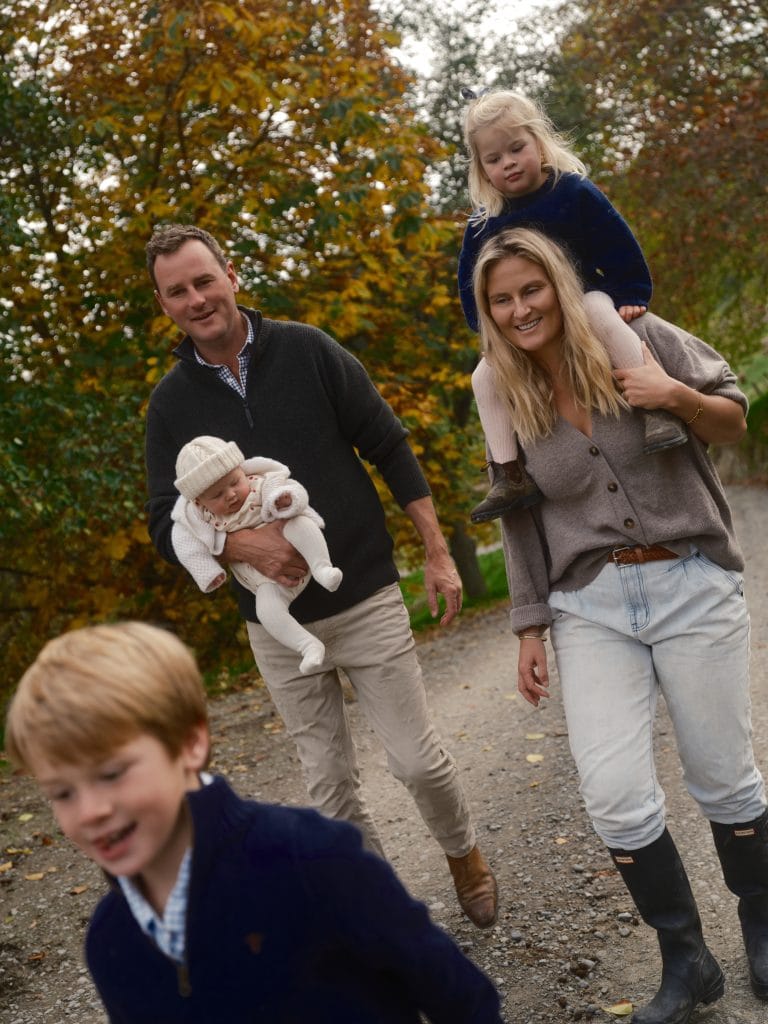
In 2020, that realisation led to the launch of Honest Wolf, a premium bag and accessories brand built around one central idea: New Zealand strong wool deserved a second life and a higher value.
What began as a practical response to the phasing out of plastic shopping bags has since grown into a sophisticated lifestyle brand with dozens of products, international customers, and partnerships ranging from corporate collaborations to the New Zealand Olympic Committee.
Yet at its core, Honest Wolf remains closely tied to its origins: a rural family farm, a natural material, and a determination to build a business that respects both.
This is the story of how that journey unfolded.
The Origin of the Business
The idea behind Honest Wolf began with two forces converging at once.
First, New Zealand’s plastic bag ban created demand for reusable shopping alternatives. Second, the price of strong wool, the type commonly produced on New Zealand sheep farms, had been declining for years.
For Sophie and Sam, the solution seemed obvious: create a product that used their own wool while replacing plastic shopping bags.
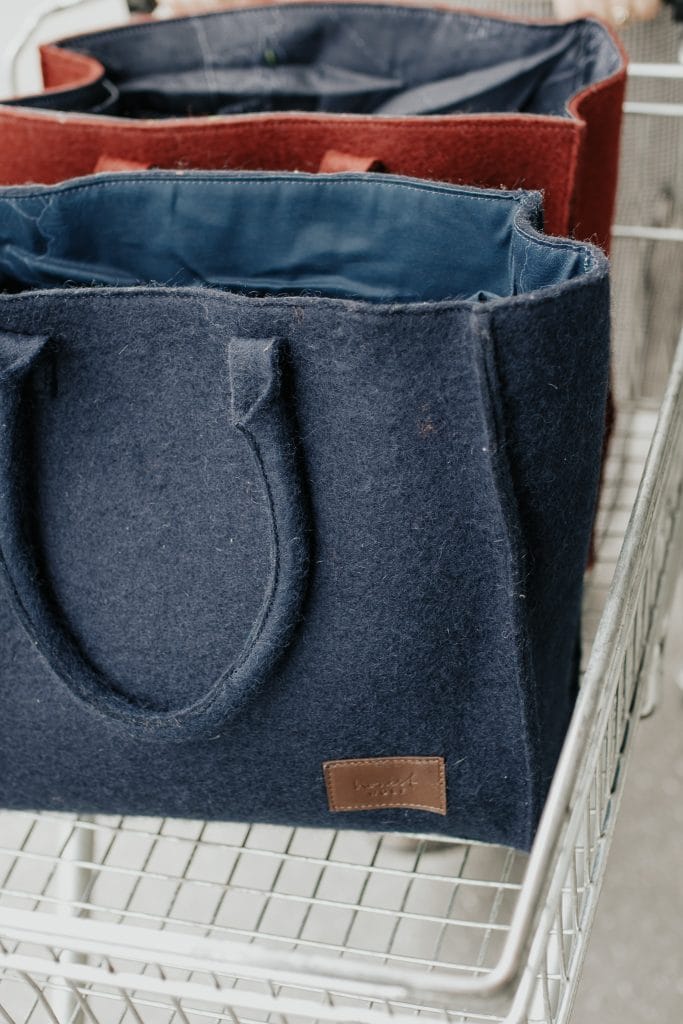
“We launched our brand Honest Wolf mostly at the time to have a solution to the plastic bag getting phased out and have a reusable shopping bag as a replacement,” Sophie explains.
But the mission extended beyond convenience.
Strong wool is extremely durable, yet it has historically been undervalued compared with finer merino wool. Sophie and Sam saw an opportunity to reframe that perception by using the strong wool shorn from their Romney X Kelso sheep from Papanui Estate ewes – a Romney x Kelso crossbreed in an entirely different category: premium luggage and bags.
The concept took two years to develop before the brand officially launched in June 2020.
The timing, however, was far from predictable. The launch coincided with the early months of the COVID-19 pandemic and the arrival of Sophie and Sam’s first child.
The result was an unconventional start: inventory sitting ready while the world paused.
That delay actually worked in their favour. When Honest Wolf eventually launched, New Zealand consumers were actively supporting local businesses and locally made products, a story that aligned perfectly with the brand’s values.
Building the Brand
From the beginning, Honest Wolf has never intended to be just another accessories brand.
Every design decision is guided by a simple principle: create products that honour the material they come from.
The wool used in Honest Wolf bags comes directly from the Hurley family farm.
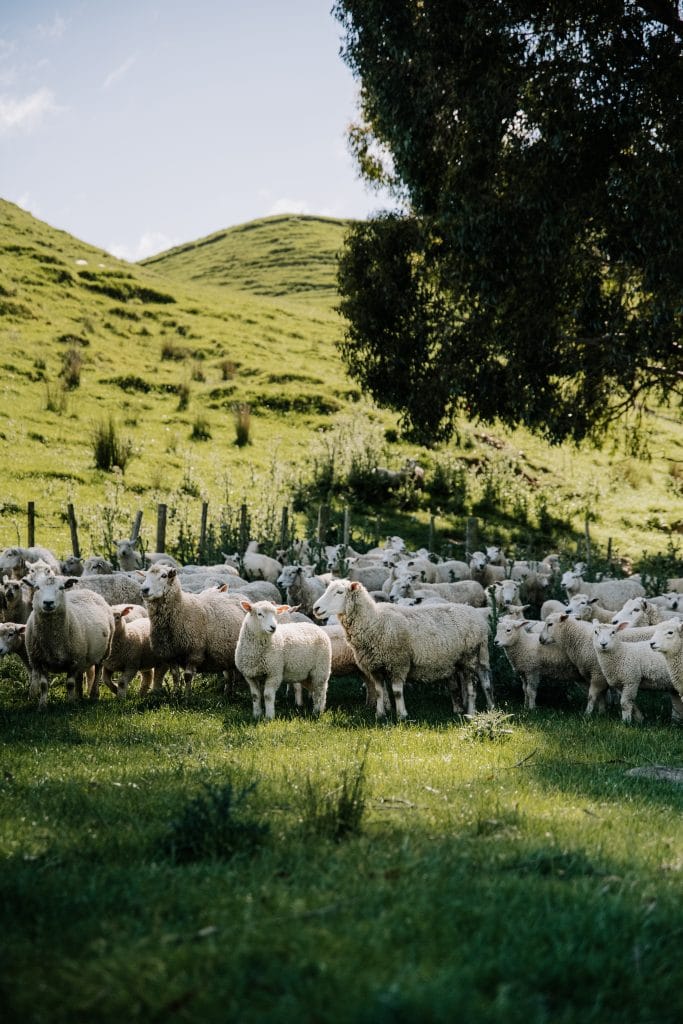
Unlike merino wool, which is prized for clothing due to its softness, strong wool offers structural strength. That makes it particularly suitable for bags designed to carry heavy loads.
“The strength that crossbred wool provides means it can handle being a luggage product which might carry 10 to 20 kilograms,” Sophie explains.
This functional strength became the foundation of the brand’s product philosophy.
However, wool alone is not enough to create a premium product. Every supporting material also needs to match the same level of quality.
Honest Wolf bags therefore combine wool with:
- New Zealand leather
- Durable hardware components
- Cotton interior linings
One of the most distinctive design elements lies inside each bag: the lining is printed with a topographical map of the Hurley family farm.
The map includes paddock names and geographical details, ensuring that wherever the product travels in the world, it always connects back to the land where the wool was grown.
It is a small design detail, but one that reinforces the brand’s narrative: a direct link between product and place.
Early Growth and Challenges
Like many startups, Honest Wolf began with a small product range and a great deal of hands-on work.
The initial launch featured just a handful of items, including a wool tote bag and a reusable shopper. Within weeks, those early products sold out.
For Sophie and Sam, the rapid demand was both encouraging and overwhelming.
In the early months of the business, their living room effectively became the fulfilment centre.
Orders were packed late at night after long days on the farm.
“We had a newborn baby and we were packing bags in the living room,” Sophie recalls. “Sam would come off the farm and we would be packing until midnight.”
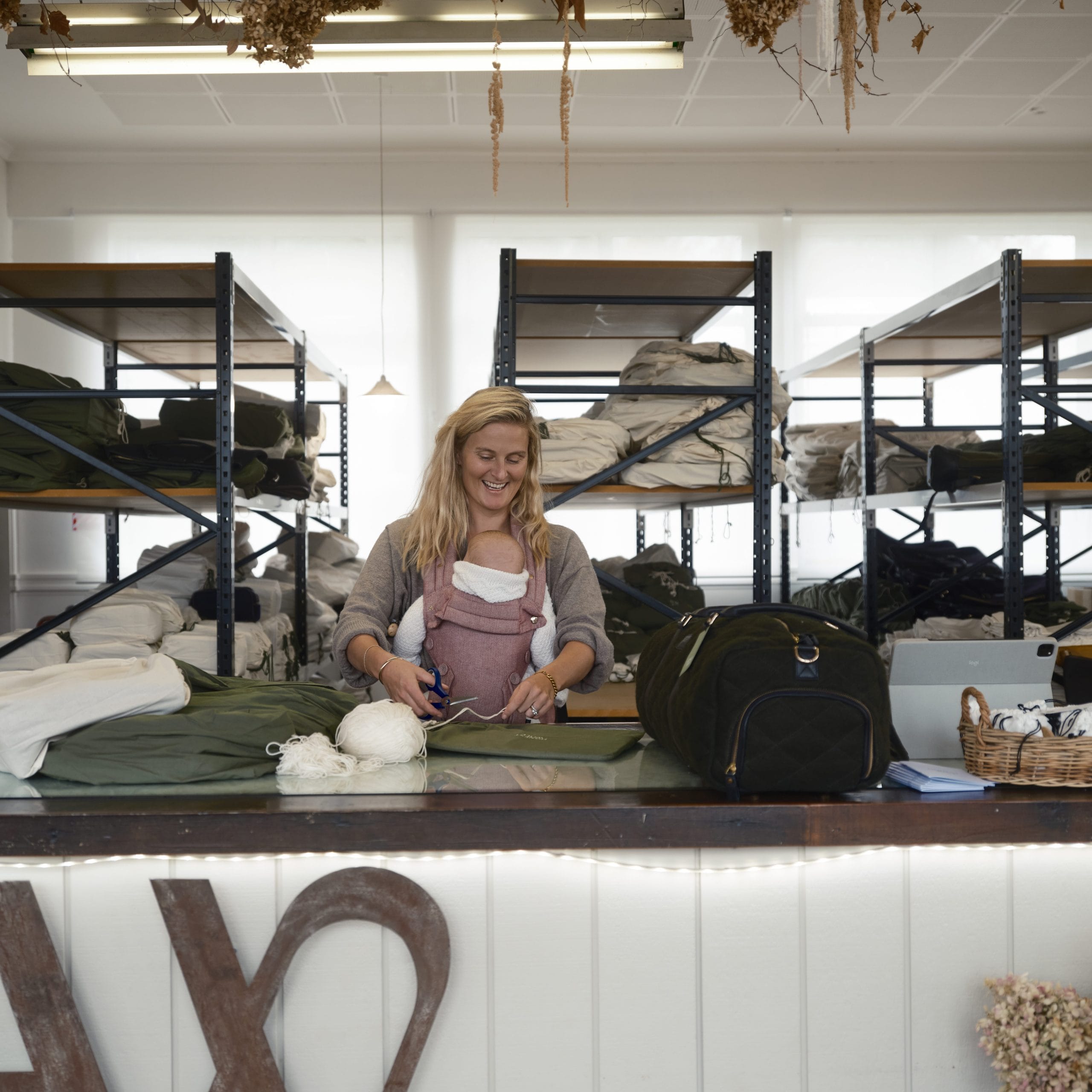
The challenge was not simply selling the product. It was balancing demand with production.
Too much promotion could lead to disappointed customers if inventory sold out. Too little visibility would slow growth.
Learning to manage that balance became one of the first operational lessons of the brand.
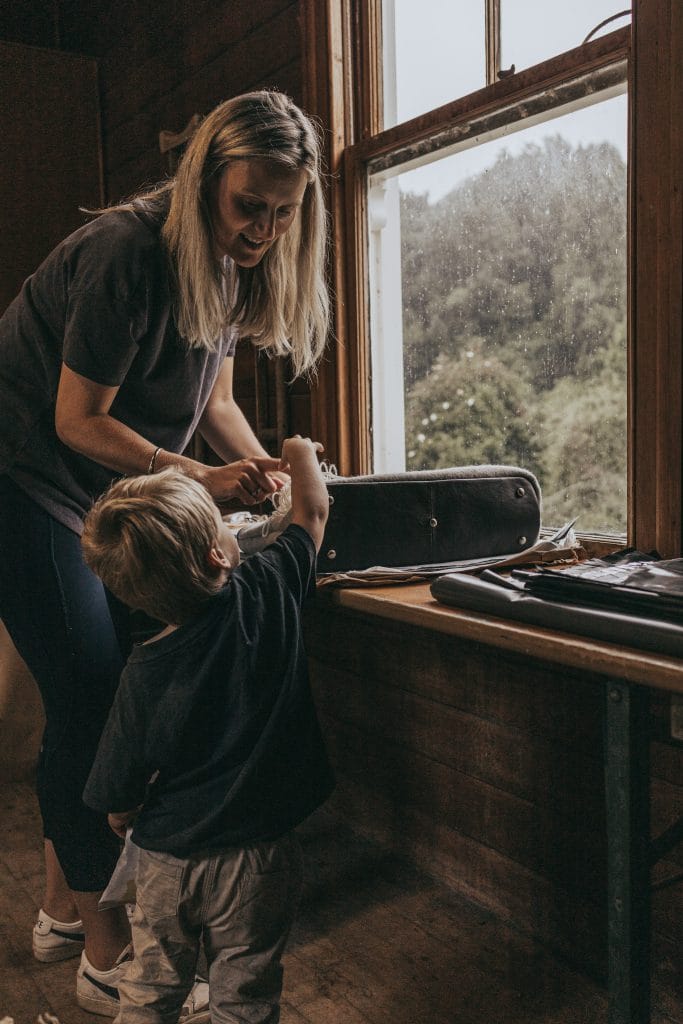
As the brand gained traction, external signals began to reinforce that Honest Wolf was resonating beyond its immediate audience. A defining moment came with its feature on Country Calendar, one of New Zealand’s most established and widely watched television programmes. The appearance marked a significant national awareness milestone, bringing the Honest Wolf story into homes across the country and validating the brand’s purpose in a mainstream context. For many consumers, it was their first introduction to the idea that strong wool could be repositioned as a premium material, elevating both the product and the narrative behind it.
Product Evolution
Over time, Honest Wolf has expanded far beyond its original reusable shopping bag.
Today, the brand offers approximately 60 product variations, including different sizes and colours across a range of bags.
These include mini totes, weekender bags, work bags, backpacks and handbags.

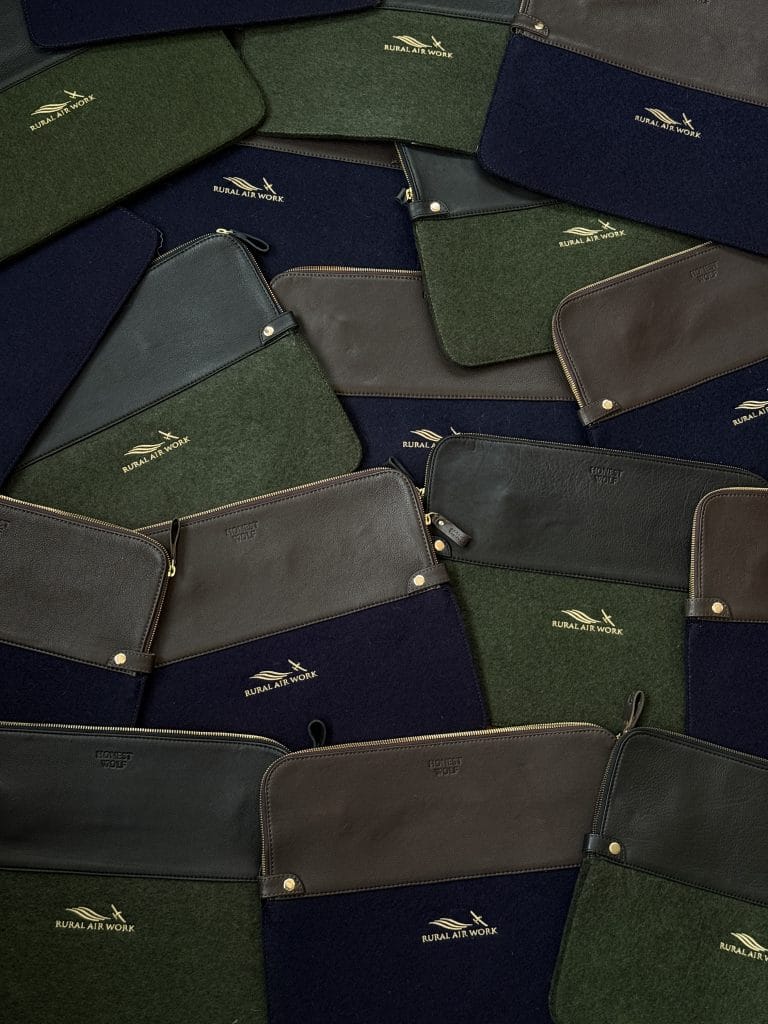
Yet one rule has guided product development from the start: design for longevity rather than trends.
Sophie explains that the brand intentionally avoids designing products for a single stage of life.
Customers frequently ask whether Honest Wolf sells nappy bags, for example. The answer is both yes and no.
The company designs bags that can serve that purpose, but avoids labelling them as such.
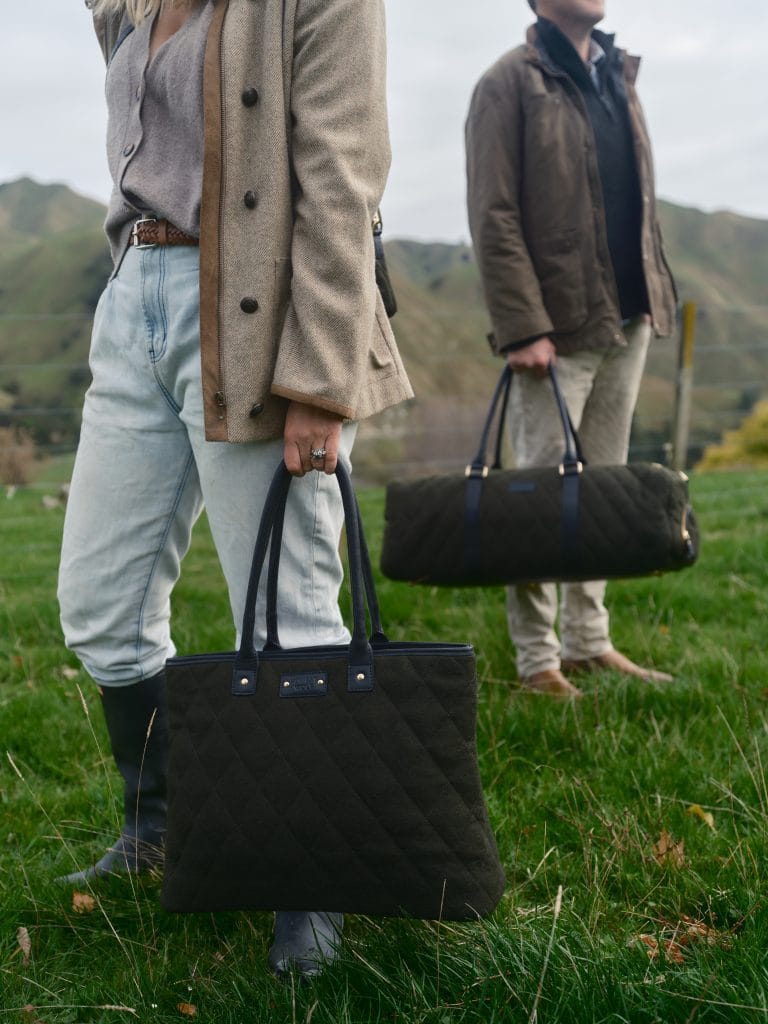
The reasoning is simple. A product designed for a moment in time often becomes obsolete once that moment passes.
Instead, Honest Wolf creates bags that remain useful for decades.
This approach reflects the material itself. Wool is durable, natural and long-lasting, qualities that align with products intended to be used for years, not seasons.
Business Growth and Strategic Decisions
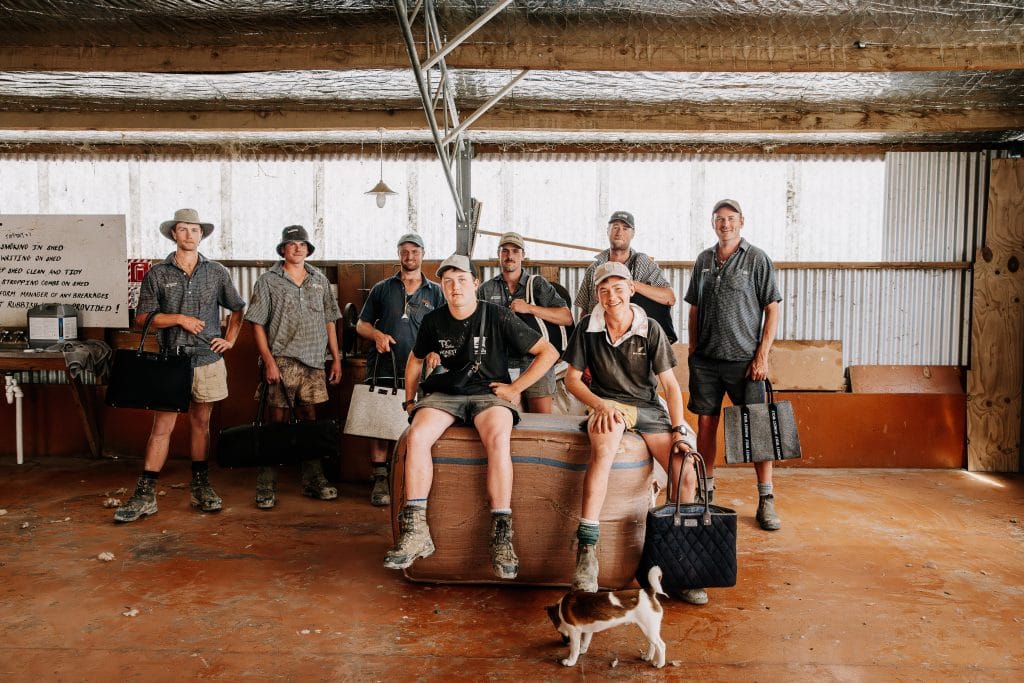
As Honest Wolf has expanded, several key strategic decisions shaped the business.
One of the most important involved logistics.
At one stage, they experimented with outsourcing order fulfilment to a third-party logistics provider (3PL) in Auckland. The goal was to free up time for growth and strategy.
The experiment lasted six months.
While the arrangement improved operational efficiency, it compromised something far more important: the connection between brand and customer.
Customers had previously received their orders quickly, often accompanied by handwritten notes and personal touches reflecting the farmer-to-consumer relationship.
The outsourced system removed that connection.
“We lost that personalised experience, and we realised it didn’t suit our brand,” Sophie says.
The solution was to bring operations back home.
Honest Wolf opened a retail and fulfilment space in Hunterville, located on State Highway 1. The location allowed the business to ship orders while also creating a physical retail experience that connected customers directly with the brand’s story.
The store also serves another purpose: creating local employment opportunities in a rural community.
Beyond its core retail and e-commerce channels, the brand has steadily expanded its market presence through targeted pop-up activations. Appearances at locations such as Wellington Airport, along with participation in multiple shows and events across New Zealand, have allowed Honest Wolf to reach new audiences in high-traffic environments. These activations represent a deliberate growth strategy, enabling the brand to move beyond a niche following and into broader national visibility while maintaining control over how its story is presented.
Collaborations have also emerged as a critical lever for both growth and validation. Ongoing partnerships with New Zealand brands such as Shepherdess have introduced Honest Wolf to entirely new customer segments, often serving as a first point of interaction with the brand. These collaborations are not opportunistic; they are carefully aligned with brands that share similar values, reinforcing credibility while expanding reach.
At the same time, the business has seen increasing traction in the corporate and partnership space. Relationships with organisations such as Toyota through dealership sponsorships, collaborations with Glenfiddich, and corporate orders from brands including Ford, FMG and ASB signal a different level of market validation. These partnerships demonstrate that Honest Wolf is not only appealing to individual consumers but is also trusted by established, high-profile organisations seeking premium, long-lasting products. In doing so, the corporate channel has become a scalable growth pathway that remains aligned with the brand’s positioning.
Brand Philosophy
If there is one principle that defines Honest Wolf’s strategy, it is the refusal to participate in discount culture.
In a retail environment dominated by constant sales events, Black Friday, anniversary sales, and clearance promotions, Honest Wolf has taken a very different stance.
The company does not discount its products during these events.
In fact, in recent years, the brand has closed both its physical and online stores on Black Friday.
The reasoning is rooted in the company’s mission to elevate the value of wool.
“If you discount our wool product, you’re discounting the value of the wool,” Sophie explains.
For a brand built around restoring value to a natural material, participating in aggressive discounting would undermine that objective.
The policy also respects customers who purchased products at full price earlier.
Rather than encouraging short-term sales spikes, Honest Wolf focuses on long-term brand trust and product value.
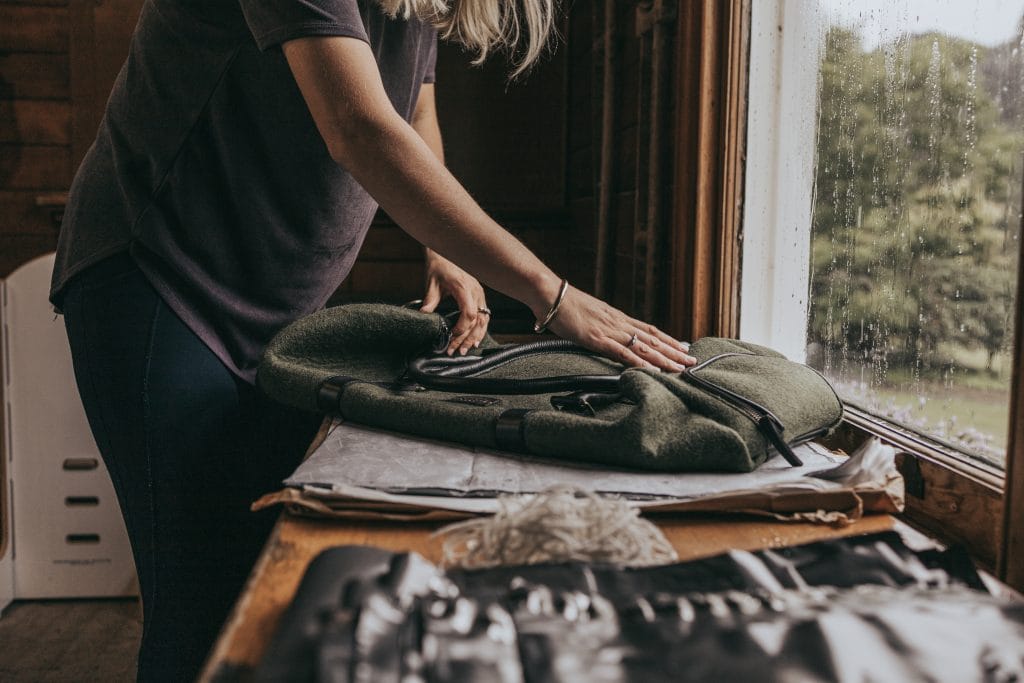
Importantly, this stance has not gone unnoticed. The brand’s rejection of Black Friday has generated media coverage across both New Zealand and Australia, alongside strong engagement across news platforms and social media. What could have been perceived as a commercial risk has instead become a point of differentiation, reinforcing that a values-led strategy can drive both attention and growth. In a market conditioned to expect discounts, Honest Wolf has demonstrated that protecting product value can strengthen, rather than limit, brand momentum.
Lessons for Founders
Looking back on the journey, Sophie identifies several lessons that stand out for other founders.
1. There is no universal playbook
Every business has different priorities, products and customers. Strategies that work for one company may fail for another.
The failed 3PL experiment is a good example. Outsourcing logistics is often considered a growth milestone for e-commerce brands , but it did not align with Honest Wolf’s customer experience.
2. Know what you will not compromise on
Clear principles make decision-making easier.
For Honest Wolf, maintaining the connection between farm and customer , and protecting the value of wool , became non-negotiable.
3. Learn every role, but don’t keep every role
In the early stages of a business, founders often perform every function themselves: marketing, logistics, product development, finance and customer service.
That experience is valuable.
However, growth eventually requires delegation.
“Let go of the things you’re not good at,” Sophie advises.
Doing so allows founders to focus on the areas where they add the most value.
4. Focus on the story
For Sophie, storytelling remains her primary focus within the business.
The narrative behind the brand, the land, the wool, and the farmers is what creates an emotional connection with customers.

What Comes Next
Six years after launch, Honest Wolf continues to evolve.
The company is currently developing a new retail space designed to tell its story more effectively than the original store.
The goal is to bring the brand’s online storytelling into the physical retail environment.
Customers and social media followers are even being involved in the design process, reinforcing the community aspect of the brand.

Beyond retail, collaborations have also become a major growth area.
The company now works with corporate partners and organisations that want sustainable, long-lasting products rather than disposable promotional items.
One collaboration even included a supporter range for the New Zealand Olympic team during the Paris 2024 Games , featuring the Olympic rings on New Zealand wool.
For Sophie, however, growth will always remain balanced with family life and rural living.
The goal is not rapid expansion at any cost, but steady progress that respects the brand’s origins.
Consumers are increasingly drawn to businesses that combine craftsmanship, transparency and purpose.
Honest Wolf embodies that intersection.
It transforms a traditional agricultural product into a modern premium brand while maintaining a direct connection to the land where it began.
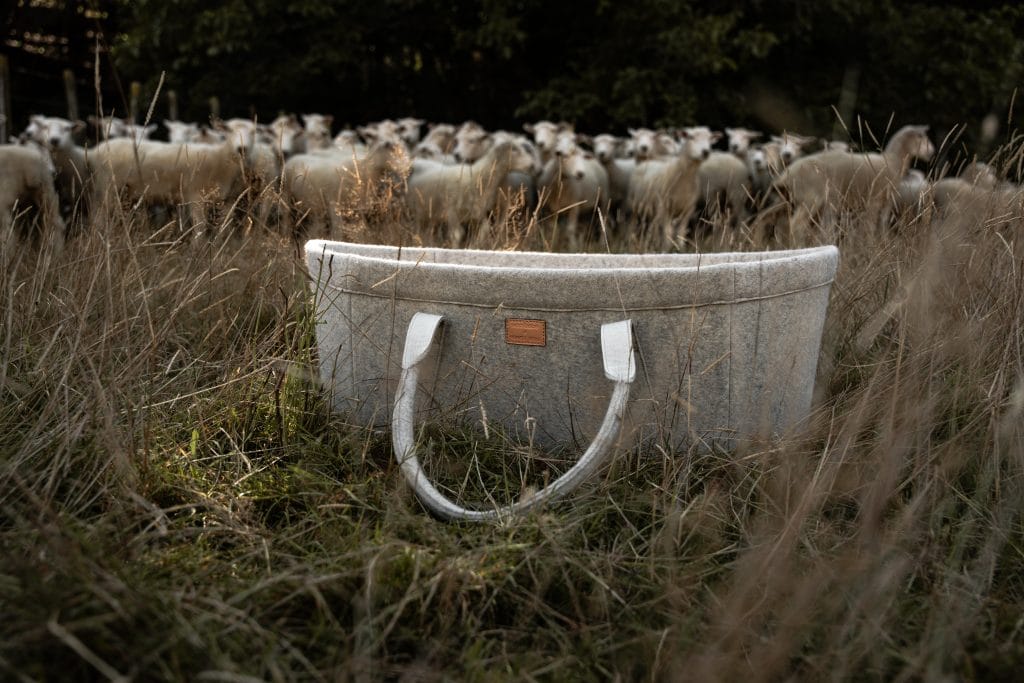
At its heart, the company remains exactly what Sophie describes: everyday farmers trying to do something meaningful with the resources around them.
Connect The Dots is proud to support Honest Wolf in their marketing strategy and execution, and we love the sustainable growth approach focused on value aligned with the broader business goals (not just revenue).
For the full conversation and deeper insights into the Honest Wolf journey, watch the complete Connect the Dots Roundtable discussion.
Ready to elevate your business?
Join the ranks of ambitious leaders unlocking new heights in business growth.
